I needed a new laser printer so as usual, rather than buy one I found a broken one online and fixed it. Here’s how I did it
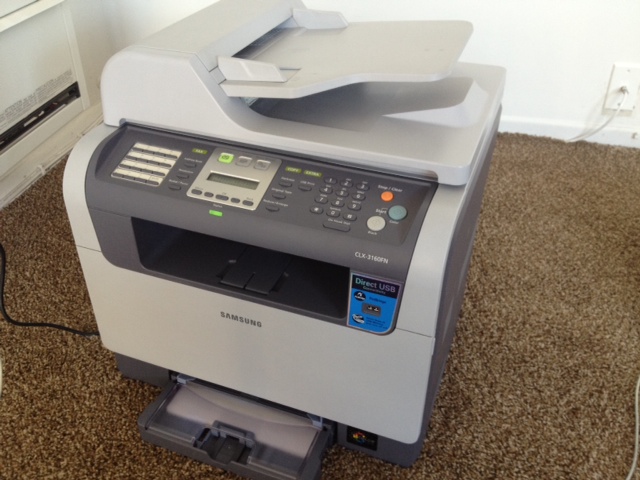

I needed a new laser printer so as usual, rather than buy one I found a broken one online and fixed it. Here’s how I did it
This project involved designing a device to regulate the flow of chilled water through a heat exchanger based on the coolant temperature of an internal combustion engine. It’s made up of three parts: A controller, a motorized valve, and a temperature sensor.
The controller consists of an arduino, a LM298 based motor driver, resettable fuse, LCD and misc. buttons/connectors.
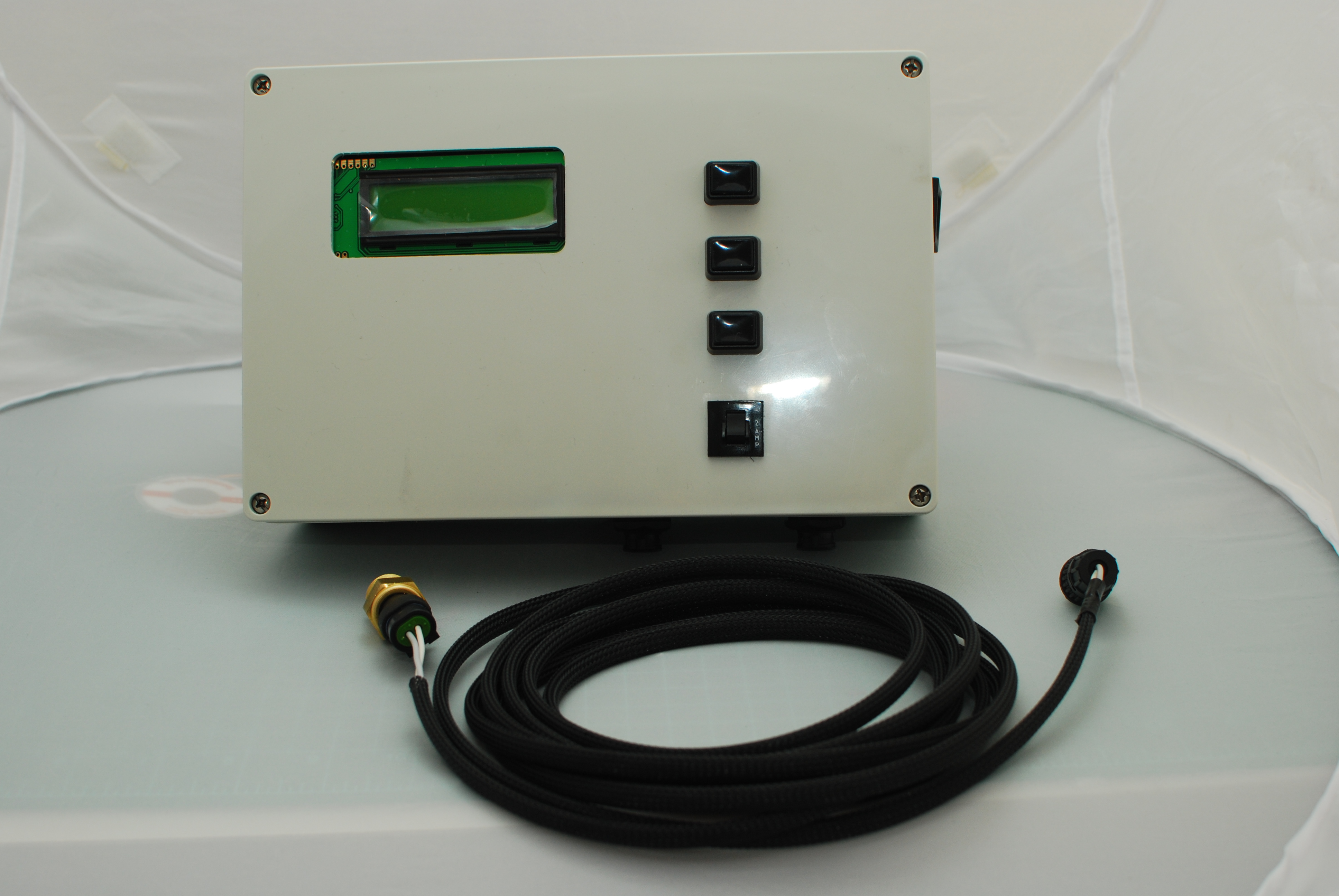
The motorized valve is a standard ball valve with a bracket to support a gear motor and a encoder for position feedback.

The operator inputs a desired coolant temperature which is maintained by adjusting the flow through the heat exchanger. During this project I learned about driving inductive loads with a micro controller, PID tuning, and closed loop feedback control.
Being able to operate basic machining equipment should be an essential skill for every mechanical engineer. It’s really sad how often I hear 3rd and 4th year ME students say they have virtually no practical engineering skills. Granted most ME’s will never be required to operate a lathe or mill as part of their job, knowing the capabilities of the tools that will be producing your products helps you when designing those very same products. College teaches you a lot of equations and methodology, but you don’t really learn anything useful until you start designing and building stuff with your hands. So when I had the chance to take the machine shop course offered by my school I jumped at the opportunity.
Fortunately for me I have access to equipment most home machinists can only dream about. This is a Bridgeport vertical mill with a DRO on the x and y-axis. The device hanging off the right end of the table is a power feed, which comes in handy when making long slow passes in the x direction.

 Things I'm Doing